



The Federal Open Market Committee is facing an increasingly complex late-cycle policy dilemma as newly revised government data reveals the United States economy is confronting a dual challenge of decelerating output and unyielding consumer prices. According to the second estimate from the Bureau of Economic Analysis, real U.S. Gross Domestic Product grew at an annualized rate of just 1.6 percent in the first quarter of 2026, marking a significant drop from initial estimates and confirming that domestic consumption momentum is beginning to soften. Concurrently, the Federal Reserve’s preferred inflation metric—the Personal Consumption Expenditures (PCE) price index—rose to an uncomfortable 3.8 percent year-over-year, driven largely by volatile gasoline prices, surging shelter costs, and a sharp uptick in health services inflation. This specific combination of slower activity and stubborn core inflation eliminates any immediate justification for monetary easing, effectively keeping the central bank’s benchmark interest rates locked in the 3.5% to 3.75% range for the foreseeable future. Leading financial analysts note that while softer economic activity would traditionally open the door for liquidity-boosting rate cuts, the persistent distance from the Fed’s formal 2.0 percent inflation target keeps that door firmly shut. Under the incoming leadership, central bank officials are heavily prioritizing price stability, signaling to Wall Street that the next policy shift is statistically more likely to be an additional rate hike rather than a premature cut if energy costs continue to bleed into broader consumer expectations. This hawkish macro mix has triggered notable corrections across corporate bond indices, forcing small businesses to scale back hiring intentions as the median duration of unemployment ticks upward across major industrial sectors. Furthermore, the wealth effect spending that has propped up luxury markets for high earners is showing early signs of fatigue as personal savings rates hit decade-level lows. Moving forward, the global market must adapt to an environment where easy capital is unavailable by necessity, forcing corporations to optimize organic cash flows rather than relying on central bank interventions to bail out softening balance sheets.
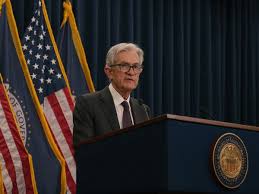
Fed Policy Stalemate: Slowing US GDP Revisions and Sticky PCE Inflation Lock Benchmark Rates “Higher for Longer”

You May Also Like


More From Author
Global Economic Slowdown: OECD Dowers 2026 Growth Projections to 2.8% Amid Middle East Energy Disrupted