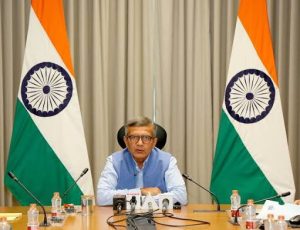



The highly anticipated India-UK Comprehensive Economic and Trade Agreement (CETA) officially went into effect today, marking a major milestone in India’s global trade journey. Alongside the primary trade agreement, the Double Contribution Convention (DCC) was simultaneously enforced to significantly benefit corporate professionals. Indian Commerce Secretary Rajesh Agrawal formally briefed the media in New Delhi, celebrating the pact as a future-oriented economic framework between two global giants. The deal grants Indian exports immediate zero-duty access to nearly 99 percent of the tariff lines in the competitive UK market. Major domestic industries including garments, textiles, footwear, carpets, marine components, and processed foods will reap immense rewards from the sudden tariff drop. Crucially, heavy duties on items like processed foods and auto components—which ranged up to 70 percent—are now reduced down to zero percent. India has carefully balanced the agreement by ensuring structural protection for highly sensitive local agricultural sectors. Heavily protected domestic commodities like dairy products, millets, edible oils, pulses, and fresh apples were deliberately excluded from the tariff cuts. In return, India will lower its high import duties on British passenger vehicles and premium spirits like Scotch whisky in a phased manner over the years. Eligible Indian IT workers sent on short-term corporate assignments to the UK will be exempted from paying local social security contributions for up to five years under the new DCC rule. This regulatory relief is expected to save millions for Indian tech firms and exponentially boost the competitiveness of Indian service providers. The trade deal also provides UK corporate entities a chance to bid for nearly 40,000 high-value central government procurement contracts across India. The sectors opening up to these foreign bids include green energy projects, national transportation networks, and large-scale infrastructure. Experts anticipate this deal will rapidly push the current bilateral trade value well past the previous fiscal year’s multi-billion dollar baseline. The execution of this landmark pact aims to generate substantial employment opportunities for Indian manufacturers, farmers, and small-scale MSMEs. Strategic safeguards on intellectual property rights were strictly retained by India to protect domestic generic medicine manufacturing. By removing historical trade barriers, both nations have officially ushered in a new chapter of mutual investment and long-term economic resilience.
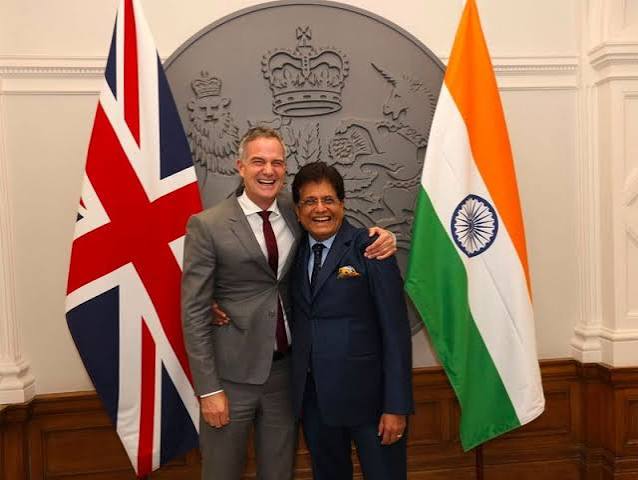
India-UK Comprehensive Economic and Trade Agreement Comes Into Force Today

You May Also Like

More From Author

IMD Issues Heavy Rain Alert Across Several Indian States