Christmas in India: A Celebration of Food, Community, and History
India’s Christmas traditions are a vibrant tapestry of migration, culture, and regional flavours. From Goa to Kerala, the North-East to metropolitan cities, each festive table tells a story of traders, colonial encounters, and tribal cuisines. Every dish, whether sweet or savoury, carries a memory, a history, or a sense of belonging.
Despite the diversity, all traditions converge on one idea: Christmas is about labour, love, and togetherness.
Goa: Weeks of Preparation and Festive Sweets
In Goa, Christmas begins weeks before December 25, not with decorations but in kitchens. Families grate coconuts, crack cashews, and prepare doce — a traditional sweet made with Bengal gram and fresh coconut.
Food historian Odette Mascarenhas explains, “For Goans, Christmas is a season, not a single day.” The Kuswar platter, a grand assortment of festive sweets, features:
-
Bebinca: Layered coconut milk pudding
-
Neureos: Deep-fried coconut-filled pastries
-
Dodol: Sticky jaggery-coconut fudge
-
Pinagr: Traditional rice dish
Mascarenhas emphasizes community labour: “Many households make several items personally. Shop-bought sweets cannot match the taste and texture of home-made doce.”
Savouries with a Story
Goan savouries reflect centuries of Portuguese influence blended with local Catholic, Saraswat, and Kunbi traditions:
-
Sorpotel: Slow-cooked spicy pork stew
-
Vindaloo: Tangy, vinegar-spiced curry
-
Beef roulade, tongue roast, prawn pulao, fish croquettes
Even when modern tastes creep in, younger generations are returning to traditional recipes to reclaim cultural identity.
Anglo-Indian Christmas: Heritage and Fusion
In cities like Bengaluru, Chennai, Kolkata, and Mumbai, Anglo-Indian homes preserve hybrid traditions. Cookbook author Bridget White-Kumar recalls:
-
Plum cakes baking in the oven
-
Rose cookies crisping in oil
-
Carols drifting through misty mornings
British influences meet Indian adaptations:
-
Roasts seasoned with chilli, ginger, garlic, and whole spices
-
Curries, cutlets, and croquettes infused with local flavours
Rituals like fruit soaking in rum for Christmas cakes remain central, creating nostalgia and family memories.
Kerala: Spices and Syrian Christian Traditions
Kerala’s Christmas combines Syrian, Latin, and Roman Catholic culinary influences. Tables feature:
-
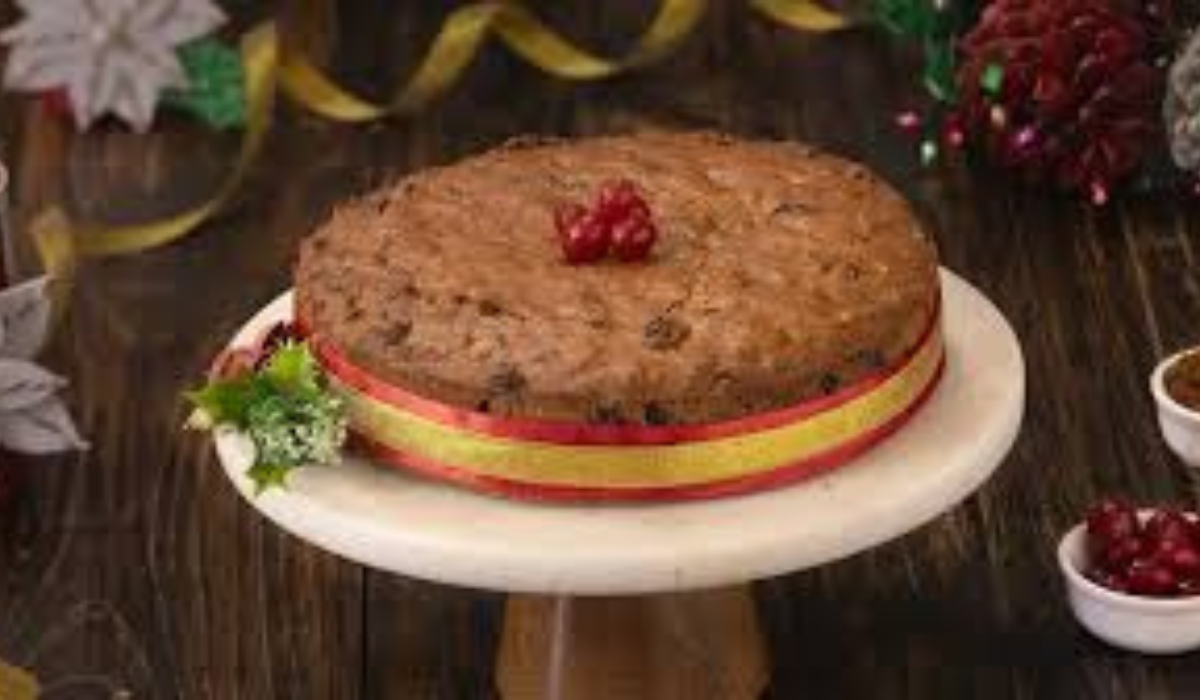
Plum cake: Fruits soaked in spirits and spices
-
Appams: Lace-edged fermented rice pancakes
-
Coconut milk stew and crisp cutlets
-
Duck roast, pork vindaloo, kallappam, meen pathiri, biryani
Churches organize cake fairs, charity meals, and communal cooking, ensuring recipes travel through communities.
North-East India: Smoked, Fermented, and Fire-Cured Flavours
Among the Ao Naga and Sumi tribes, Christmas meals focus on:
-
Smoked pork with bamboo shoots
-
Pork with axone (fermented soybean)
-
Sawhchiar (Mizo rice-and-meat dish)
-
Pumaloi (steamed pounded rice) with pork in Meghalaya
-
Smoked fish chutney with chicken or pork roast in Manipur
Migration has carried these flavours to urban centres, allowing families to recreate festive tastes far from home.
Urban Celebrations: Bakeries, Rituals, and Family Kitchens
Cities like Delhi, Mumbai, Bengaluru, Kolkata, Pune, and Chennai host cake-mixing ceremonies and festive menus. Iconic traditions include:
-
Flurys, Kolkata: Cake-mixing ceremony since 1927
-
American Express Bakery, Mumbai: Over 100 years of plum cakes, coconut toffee, and plum puddings
Even in urban centres, home kitchens remain central. Families WhatsApp recipes, ship ingredients, and revive old methods, preserving the essence of Christmas.
Uniting Themes: Labour, Love, and Togetherness
Across regions, the common thread is clear: labour is a form of love. Whether making doce, steaming appams, or smoking pork, time and care are part of the celebration.
“Christmas cooking was never meant to be quick,” says White-Kumar. “Spending time on food becomes part of the memory. Families still make at least one dish the traditional way. That’s what makes it feel like Christmas.”