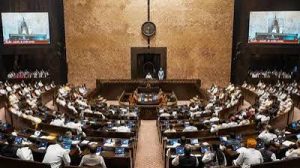

The Indian Parliament successfully passed the Public Examination (Prevention of Unfair Means) Amendment Bill, marking a major milestone in the nation’s ongoing efforts to safeguard the integrity of competitive exams. Following intense debates and an Opposition walkout in the Rajya Sabha, the bill was cleared by a voice vote and has now been sent for presidential assent. This legislative reform comes in the backdrop of widespread public outrage, nationwide student demonstrations, and multi-agency investigations into high-profile leak incidents like NEET-UG. Prime Minister Narendra Modi hailed the passage of the bill in a late-night video message, reiterating his government’s firm commitment to protecting the bright future of millions of hardworking youth. He sternly warned that the “paper mafia” and corrupt officials engaging in organized malpractices would be dealt with under strict legal provisions without any leniency. The new law introduces harsh penalties, including non-bailable imprisonment terms and heavy monetary fines targeting cheating syndicates, impersonation rackets, and colluding test center personnel. Recent Central Bureau of Investigation (CBI) reports linking leak networks directly to exam setters and translators further accelerated the demand for rigorous legal frameworks. In tandem, law enforcement agencies across multiple states, including Uttar Pradesh STF, have intensified crackdowns by arresting key suspects involved in impersonation and paper distribution networks. Opposition leaders, however, raised concerns about the enforcement mechanism, arguing that political accountability and systemic administrative reforms are equally required alongside punitive measures. Despite the political friction, the legislation is being viewed as a long-overdue operational shift to restore trust in national selection tests. The government plans to deploy advanced cryptographic security for electronic papers and establish audit mechanisms for private test venues. Student bodies across major university hubs have expressed cautious optimism, demanding that the law be enforced swiftly to prevent future delays in academic calendars. Educational experts note that building a tamper-proof exam pipeline requires continuous technological upgrades along with strict vigilance. The bill also establishes a high-level technical steering committee to evaluate emerging cyber threats against digital test platforms. Prime Minister Modi emphasized that no student’s dedication will be compromised, calling the law a crucial step toward meritocracy. As the President’s formal assent approaches, state governments are preparing aligning ordinances to implement uniform anti-leak measures across local recruitment boards. The law stands out as one of the most consequential policy interventions regarding higher education and public employment in recent years.
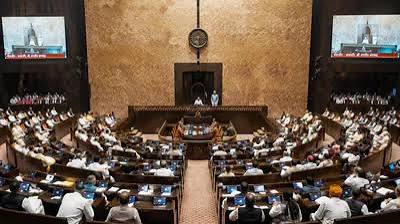
Parliament Clears Landmark Anti-Paper Leak Bill to Curb Examination Unfair Means

You May Also Like


More From Author

IMD Issues Flood Warnings Across States Amid Heavy Monsoon Rainfall